Tuesday, October 10, 2006

News You Won't Get in the US

China, Iran, Saudi Arabia and the United States are the countries in which the majority of the world's executions take place. Today's El pais reports that 2,148 executions were registered last year in 22 countries. 94% of those executions were produced in only four countries: China, Iran, Saudi Arabia and the United States. These statistics are reported by Amnesty International in celebration (if you can celebrate anything like this) of the World Day against the Death Penalty.

China registered 1,170 executions (although according to Chinese experts there are probably more like 8 or 10,000 people executed every year); Iran 94; Saudi Arabia 86. And the US celebrated its freedom to exercise the death penalty on 60 folks in 2005.

Saudi Arabia, Iran, China and the US. Nice.


Friday, October 06, 2006

Fish Whimsy


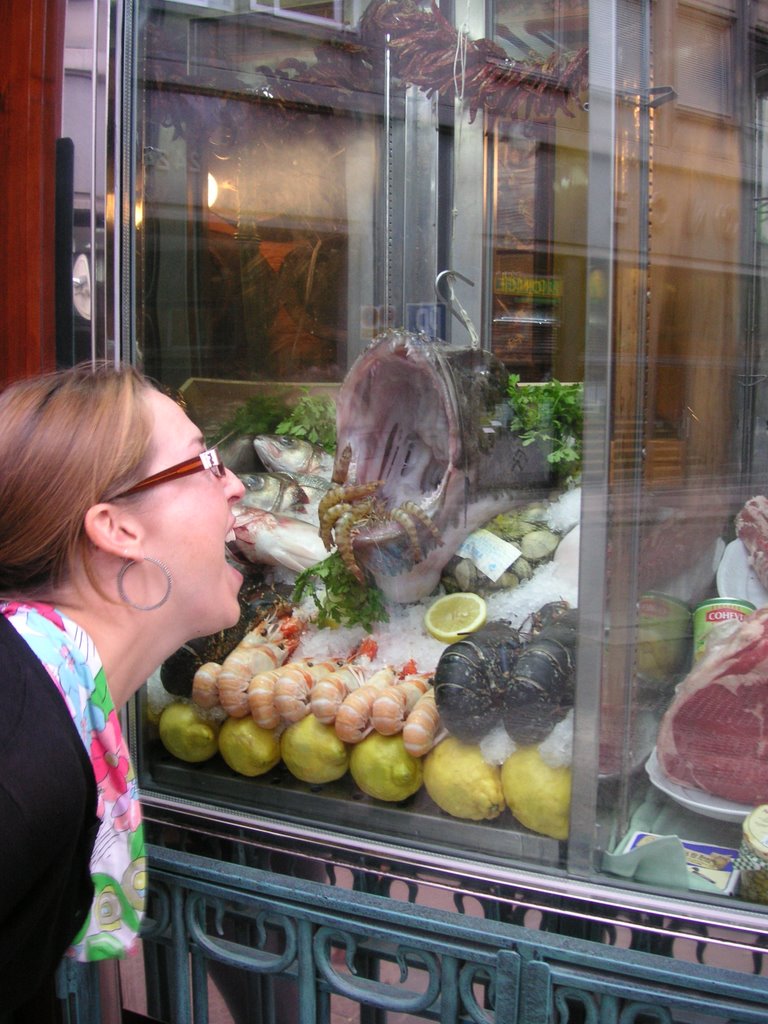
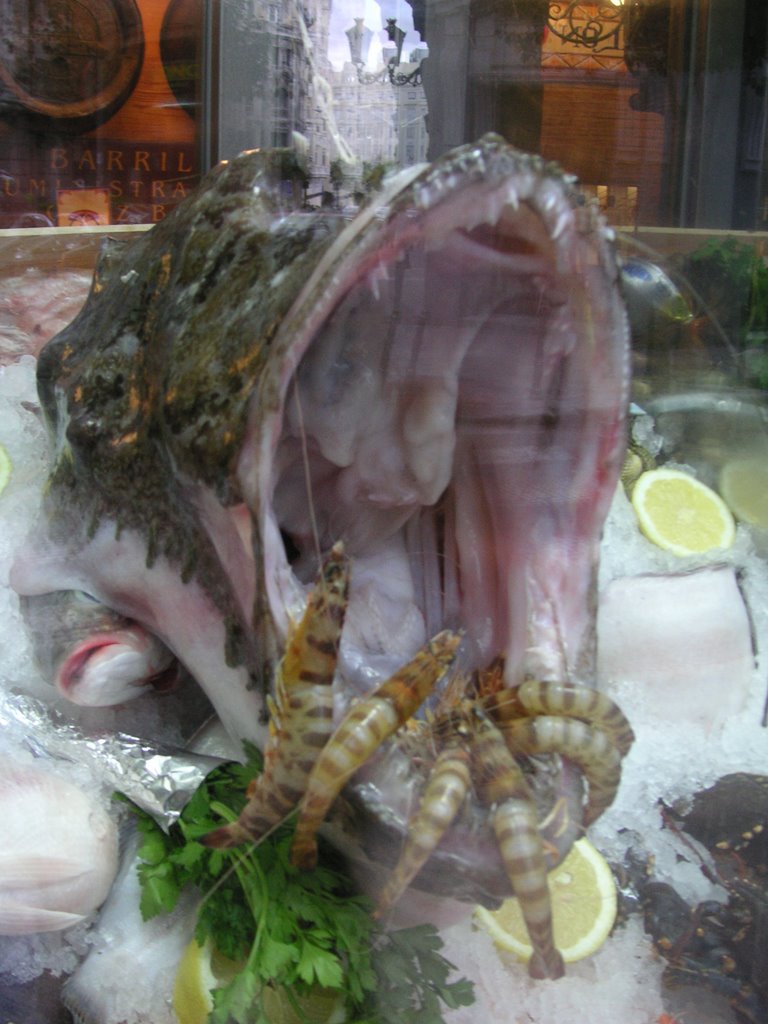
Yes, that's an enormous fish head that has been propped up to make it look alive. And, yes, those are shrimp placed in the fish's mouth to look like they are being eaten. Now notice the garnish. The vigor in the fish's eyes. Notice the smaller, cuter fish being crushed by the splendid awesomeness of the big fish. And now you might notice how hungry you are and how much you want to eat those fishes. Yes, this amazing culinary advertising ploy has worked. We are going in. And we are going to eat some gambas. Just like the big fish did.


I can't eat any more pronto pups.

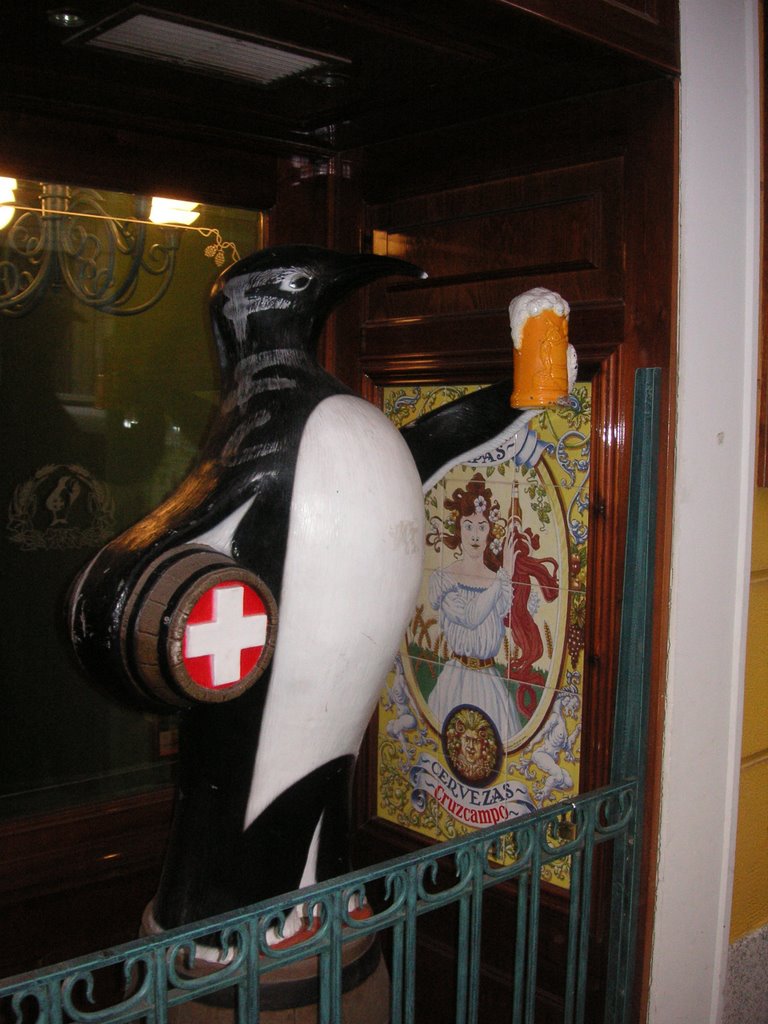
All of these fine photos were taken with the implicit permission of the Cruz Blanca bar. Señor Penguin is their mascot.


He's a whimsical fellow indeed.

A Good Date in Madrid

The Cine Doré is a good place to go see a movie with your lady. You can buy a pass for 10 films for 20 euros and then go see classic films every day of the week except Monday. It's almost always a good vibe, except when you have a couple of octogenarian fascists in the crowd. But that only happens sometimes.

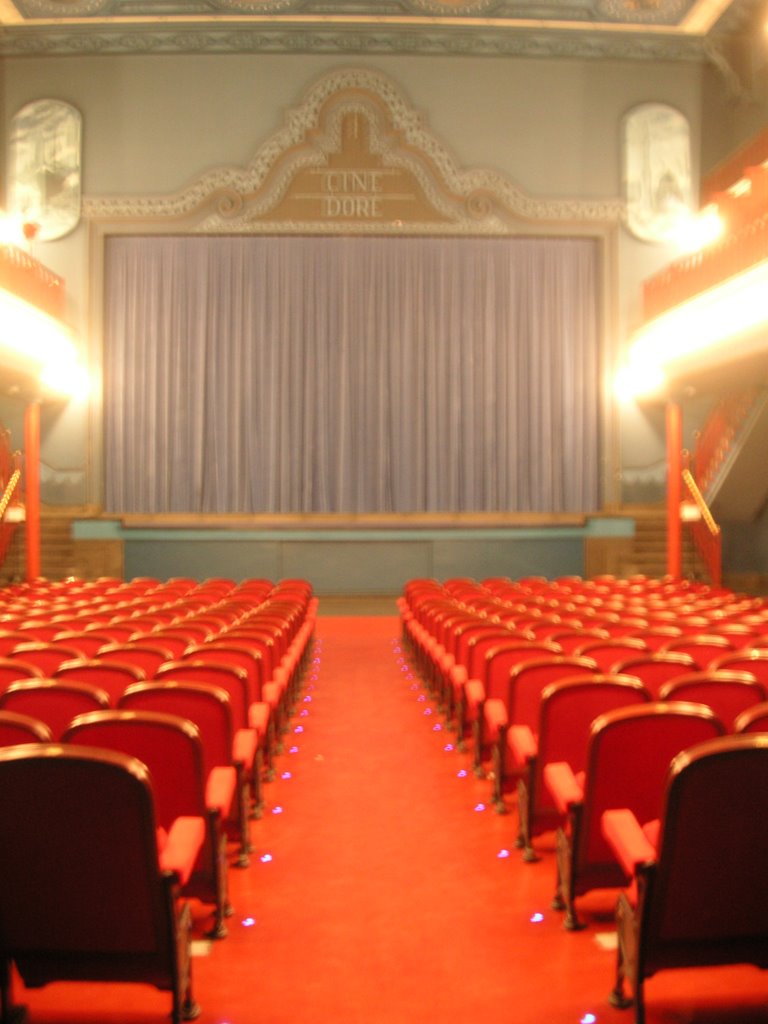
The main screening room has been lovingly restored to its old glory. The seats are comfy.

Even the ceiling is beautiful.


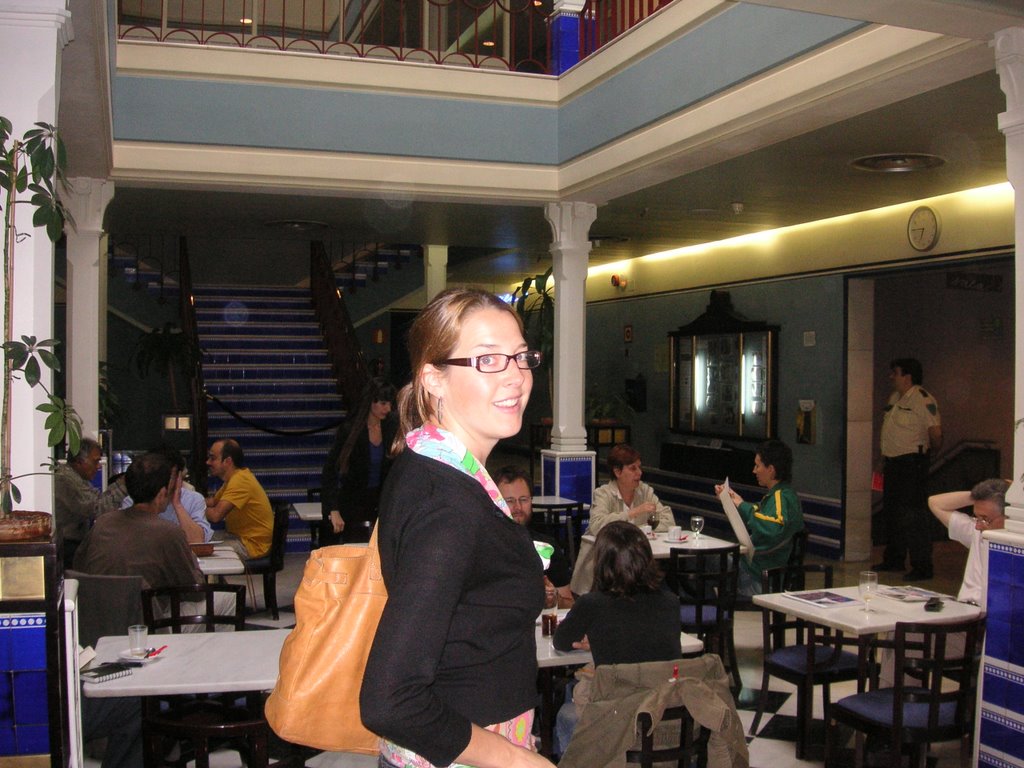
This is the front door to the theater. As you can see, there is no smoking allowed there anymore. Which makes the cafe inside a very nice place to have a café con leche with your lady before the movie.


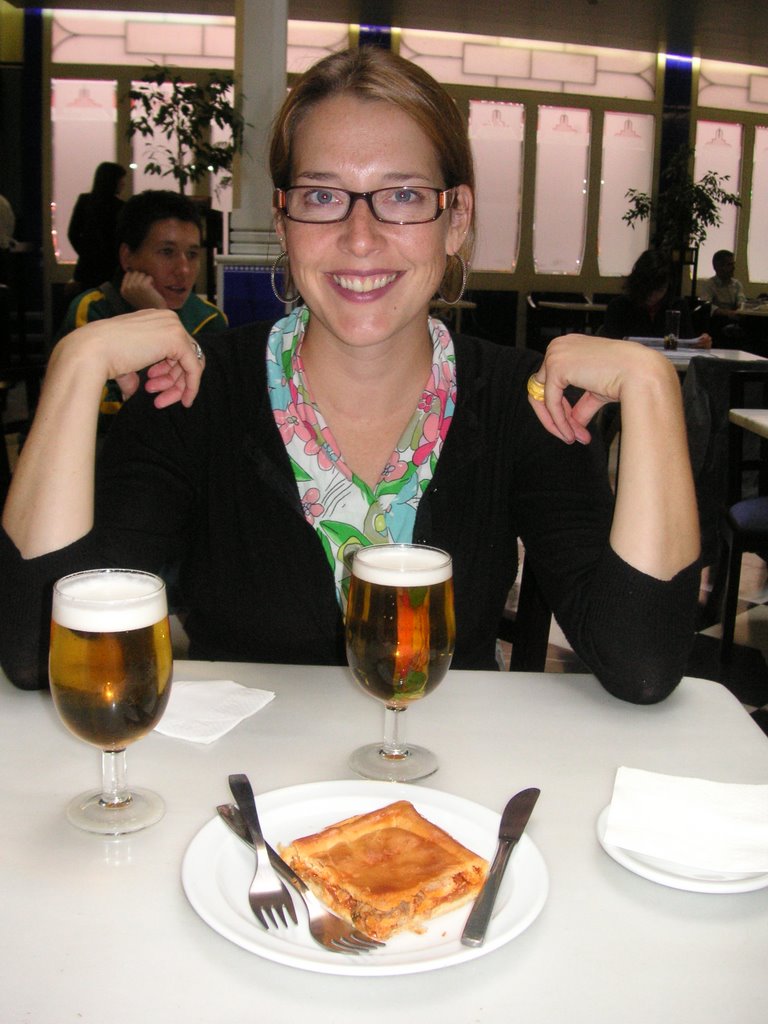
You can also opt for a caña and a piece of empanada. Oh yeah. Go ahead and do it. You won't fall asleep during the movie. We promise.

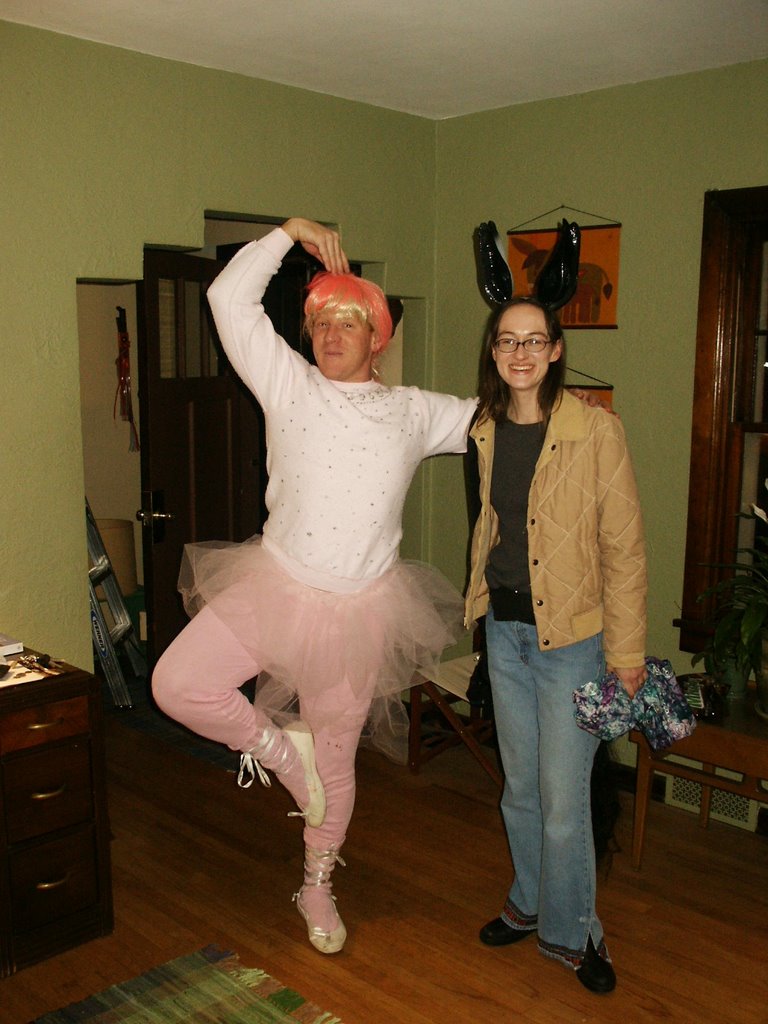
On Tuesday we saw Georg Wilhelm Pabst's Der schatz (1923), which has been restored by the National Film Archive in Prague. The movie was accompanied by live piano. Werner Krauss played a convincing Svetelenz, and we were surprised by the eerie resemblance he shares with our friend Tom. Granted, Werner Krauss appears much older, and Tom usually doesn't dress up like a ballerina (as far as we know he only did it that once for Halloween 2004). Anyway, we thought there was a slight resemblance that was worth mentioning here. [Personal Note to Tom: if you want us to take the picture down, we will.] All you cinema buffs out there probably remember Mr. Krauss in The Cabinet of Dr. Caligari. We thought he was much better in Der schatz, but then again, we are suckers for moral fables about hidden Turkish treasures and the redeeming power of love over avarice and greed. But that's just the way we like to do it here at amagomundi.


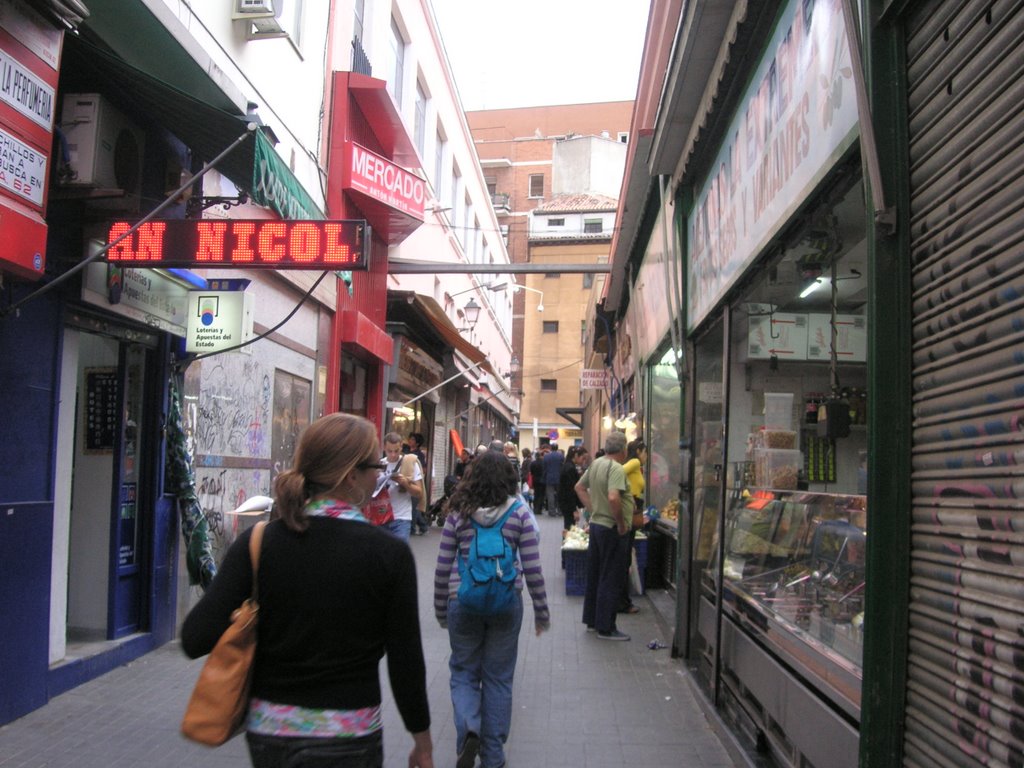
And after the movie you can walk down the Pasaje Doré and look at the market vendors that line the street. Maybe you'd like to buy some peanuts? Go ahead and do it. You may as well because we never do. Boom.

Thursday, October 05, 2006

Franco's Legacy

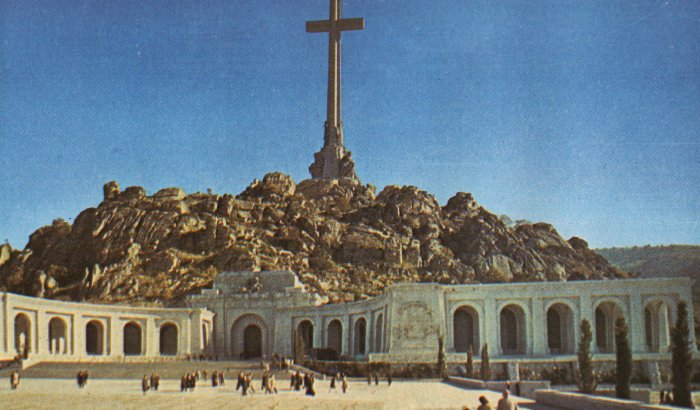
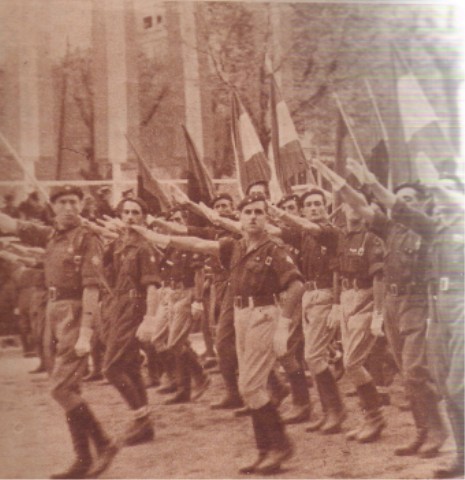
The Cine Doré is projecting a series of documentary films under the title “Imágenes contra el olvido” [Images against Amnesia], which are all dedicated to the recuperation of repressed memories of the Spanish Civil War and the ensuing forty year Franco dictatorship. Last night we went to see a film called, “Presos del silencio,” which is about the construction of the canal on the lower Guadalquivir river near Sevilla, now known officially as the “Canal de los Presos” [Prisoners’ Canal] because it was constructed entirely by 10,000 Spanish political prisoners. It was one of the biggest public works projects undertaken during the dictatorship. Many of Franco’s public works projects were completed by political prisoners who were often given the opportunity to do forced labor in exchange for the commutation of their sentences. Franco’s regime took advantage of this kind of free labor wherever it could, and in the official newsreels these projects were described as opportunities for the “reds” to reconstruct the Spain that they had destroyed. The fact that Franco and the military (with the explicit blessings of the catholic church) had in fact rebelled against the Republic that had been democratically elected by the Spanish people never made it into any official account of the civil war. Instead, Franco carefully depicted his historical role as a paternal figure who saved Spain from the communists and thus restored its imperial grandeur. The Valle de los Caídos [Valley of the Fallen], a fascist monument devoted to “all those who have fallen for Spain” (except, of course, those who died for the republican cause), offers a graphic representation of how Franco saw himself. While tens of thousands of prisoners of war were executed and dumped into mass graves, Franco is now buried in a massive mausoleum that was built underneath an enormous cross. The entire monument was built by Spanish political prisoners.

During the forty years of Franco’s dictatorship all competing accounts of Spanish history were suppressed through the imposition of state sponsored censorship. It is only during the last ten years or so that documentary filmmakers have begun to make films about the experiences of the losing side of the Spanish civil war. A lot of these films are being shown this month at the Cine Doré.


Something interesting happened while we were watching last night’s documentary. There was an older couple in the audience who were clearly in favor of Franco’s version of events, and consequently dedicated themselves to making disparaging comments throughout the film. Sort of like Mystery Science Theater 3000, only for retrograde octogenarian right-wing fascists. The 15 or so people that were in the audience kept shushing them and asking them to please keep it to themselves, because every time someone on screen would say something about how hard it was to either work under slave-like conditions in the construction of the Guadalquivir canal system, or to live in a pueblo among the very same neighbors who informed on your husband and insulted your children because they were the offspring of “rojos,” this terrible couple would make loud snide comments to each other. An usher was forced to come in and sit in their row to discourage them from talking back to the screen. So for the last half hour, this lady was content to just sigh loudly whenever she didn’t agree with something in the film. And when Franco would appear on screen, or if there was a clip showing the political prisoners kneeling in front of their captors, or if a a fascist procession appeared, the old man would say things like, “Eso!” (which is essentially a way to say, “That’s what I’m talking about!”) It's amazing how horrible these nostalgic Francoists are, and how these deep divisions in Spanish society have continued to exist for 70 years and more. What we couldn’t understand is why these people don’t just stay home and watch the old newsreels. After all, Franco and his regime got to tell the “official” history for 40 years. Let’s at least have some variety.


Sunday, October 01, 2006

Cocido Madrileño

We had an authentic cocido on Wednesday, prepared by my aunt Loli. Cocido is one of the most traditional of Spanish dishes. It is comprised of three main ingredients: the caldo (broth), which is eaten first, garbanzo beans, which are cooked in the broth along with the other main ingredient: meat. There are usually three kinds of meat in the cocido: salt pork (a big chunk of bacon and a big chunk of cured Spanish ham), sausages (chorizo and morcilla), and some kind of fresh meat. These fine meats are poached in the broth and can be eaten after the garbanzo bean portion of the eating experience. Or, if you are like me, you will eat your meat together with your garbanzos after the caldo. My cousins eat everything all mixed together. It's up to you.

For extra seasoning, there are some vegetables cooked into the broth, too. Like leeks and carrots and potatoes. Spices are minimal. Pepper, bay leaves, maybe a little garlic. That's about it.

We were so hungry that we ate all the cocido before we thought of taking a picture. So we have had to steal this image from the internet. My aunt's cocido looked better, and she didn't put any chicken wings in hers.

While we were looking for images of cocido to steal for this blog, we stumbled upon an excellent blog all about Madrid. Makes our little blog look like a piece of poo. Here it is: Boom. De Madrid al cielo.